Monday to Saturday - 8:00 -17:30
Natural Fiber Yarn: Your Guide to Choosing the Right Fiber
Natural fiber yarn comes from plants, animals, and other renewable sources. Each fiber behaves differently on the needles, wears differently against the skin, and suits different types of projects.
Knowing what each fiber offers helps you make choices you will be happy with long after the project is finished.
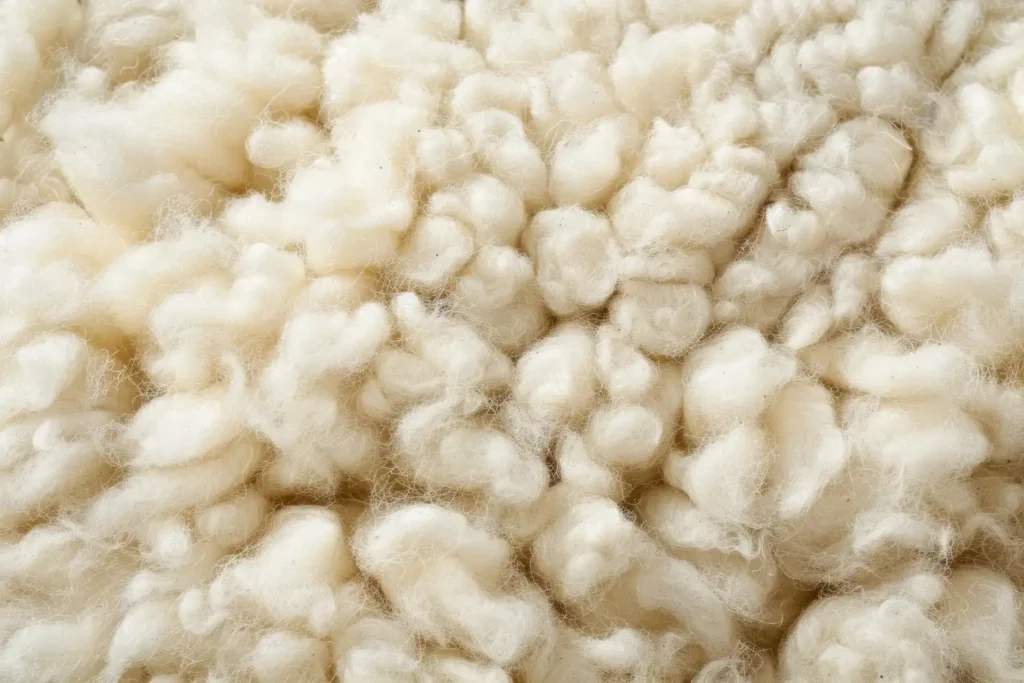
Merino Wool
Merino wool is one of the most requested fibers for good reason. Its fine micron count produces a softness that works comfortably against the skin, including for people who find standard wool irritating.
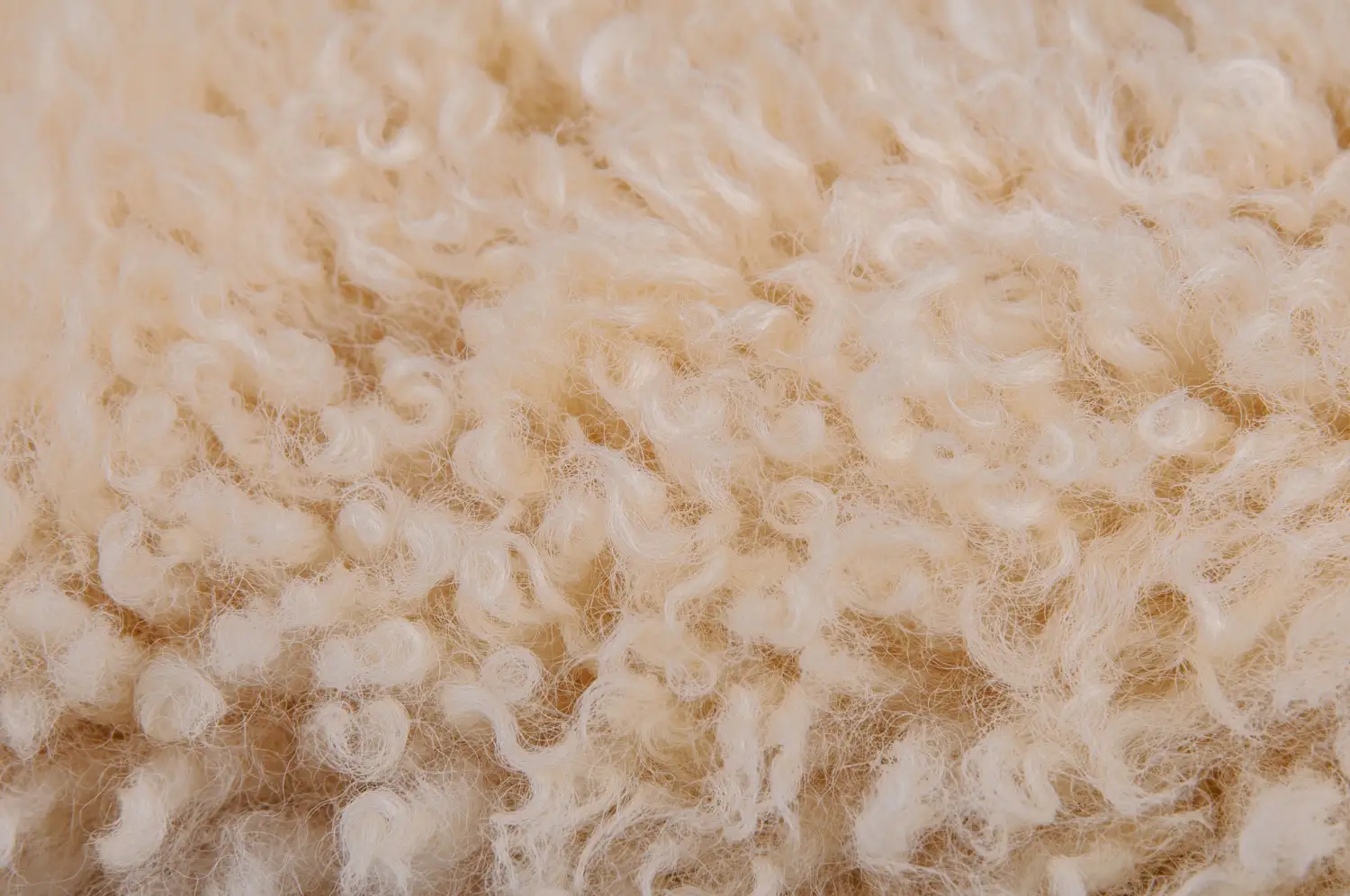
Alpaca
Alpaca fiber is warm, lightweight, and naturally hypoallergenic. It lacks the elasticity of wool, so it works best in projects that benefit from drape rather than structure.
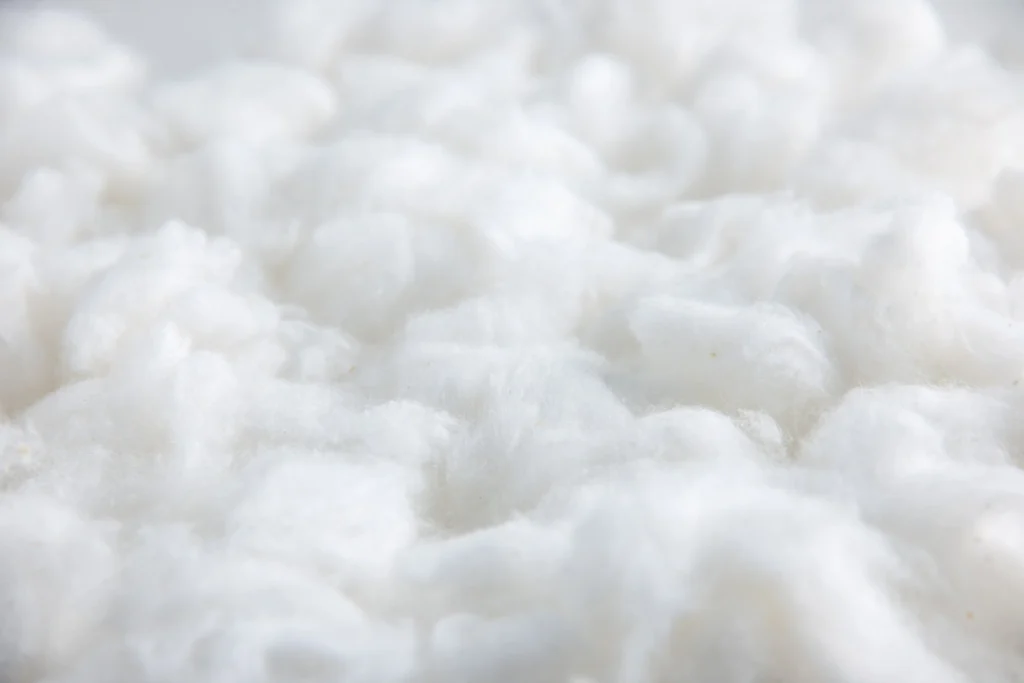
Cotton
Cotton is breathable, washable, and ideal for warm-weather garments and items intended for babies or sensitive skin. It has less stretch than wool and can feel heavier in the hand.
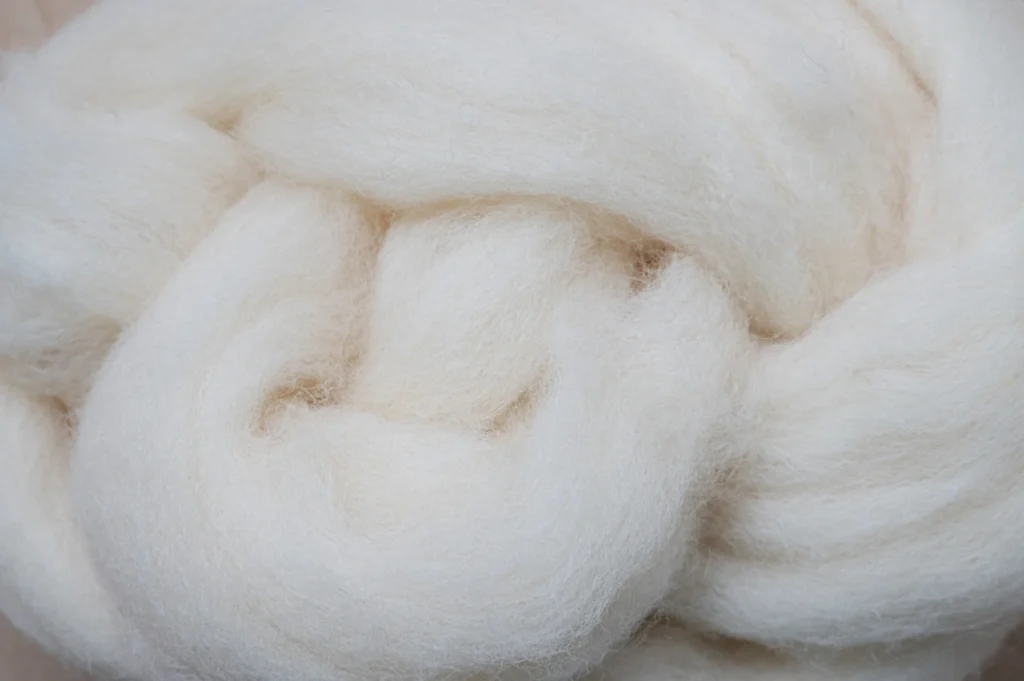
Linen
Linen softens beautifully with washing and wear. It suits warm-climate garments, dishcloths, and structured pieces where a slightly crisp texture is an asset.
Silk
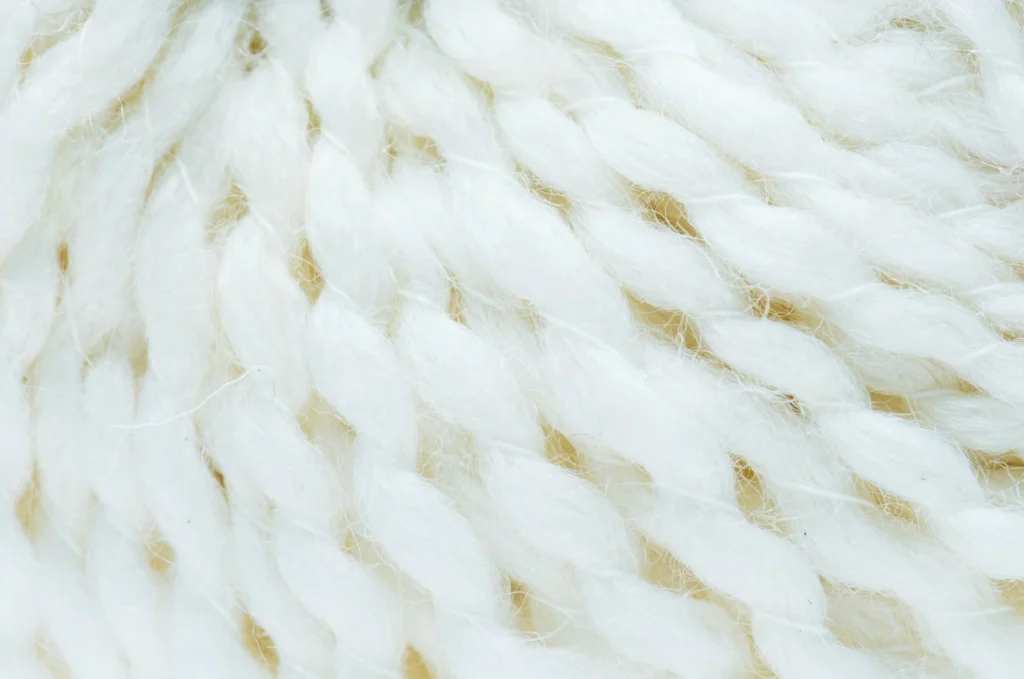
Silk adds a natural sheen and a luxurious weight to any blend. It is often combined with wool or alpaca to enhance drape and give finished fabric a subtle luster.
Cashmere
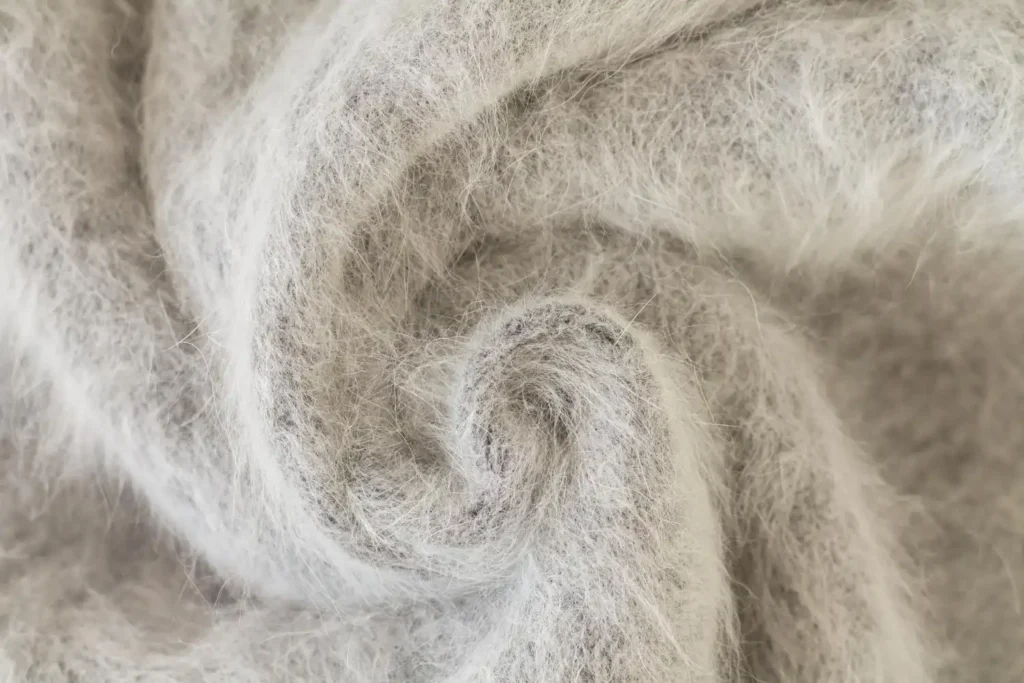
Cashmere is among the finest natural fibers available. It is incredibly soft but more delicate than merino and carries a premium price that reflects the limited yield per animal.
How Natural Fibers Compare Across Types of Yarn Fibers
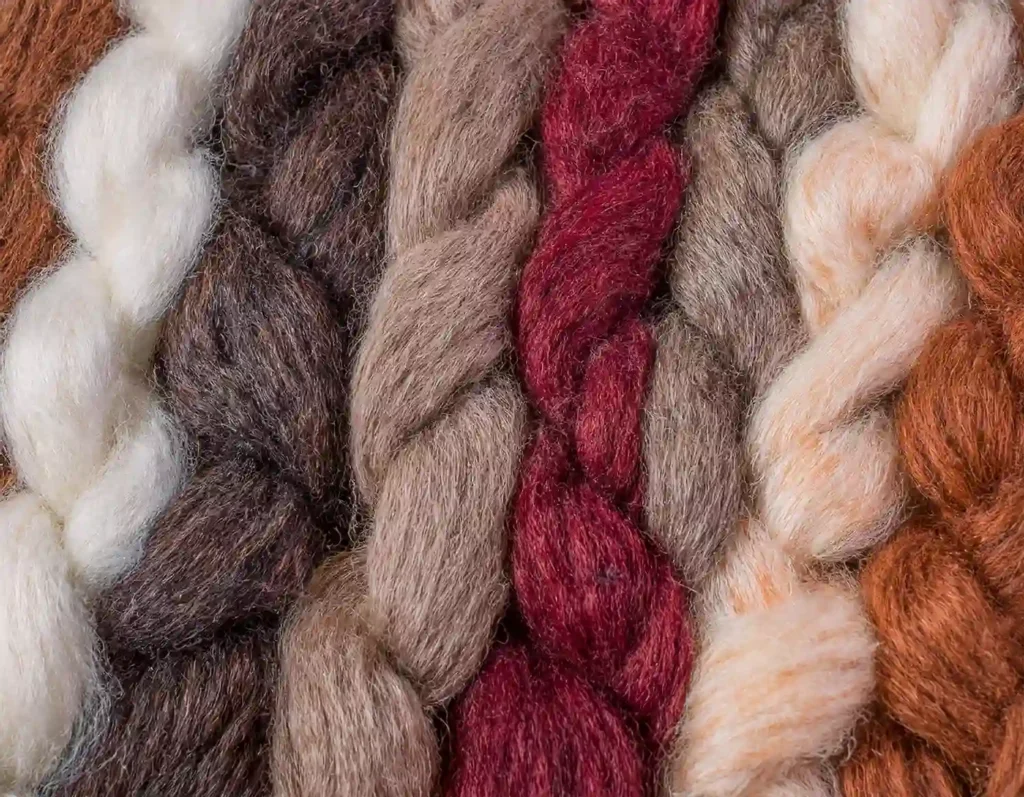
Not all natural fibers perform the same way. The differences show up in how the yarn handles, how it washes, and how the finished piece holds up over years of wear.
#1
Elasticity and Memory
Wool and merino have natural crimp built into the fiber structure. That crimp gives the yarn elasticity and helps finished pieces hold their shape. Alpaca, cotton, and linen have far less memory and tend to grow or stretch with wear.
#2
Warmth vs Breathability
Animal fibers like merino and alpaca trap air efficiently, making them warm insulators. Plant fibers like cotton and linen allow airflow, keeping the wearer cool in warmer conditions.
#3
Care Requirements
Most plant fibers tolerate machine washing well. Animal fibers vary: superwash merino is treated for machine wash safety, while untreated wool and cashmere require gentle hand washing to avoid felting.
#4
Durability
Linen and cotton are among the most durable natural fibers, improving with use. Fine fibers like cashmere and silk require more careful handling to maintain their integrity over time.
What Is Merino Wool and Why Does It Lead the Category?
Merino wool sits at the top of the natural fiber yarn category for most knitters because it combines softness, warmth, elasticity, and dyeability in a single fiber.
It accepts dye with exceptional clarity, which is why it dominates the hand dyed yarn market. Colorways show up bright and true on merino, giving each skein depth that synthetic fibers struggle to replicate.
For anyone new to natural fibers, merino is the most forgiving starting point and the most rewarding as your skills develop.
Alpaca Yarn Benefits Worth Knowing
Alpaca yarn benefits extend beyond softness. It is naturally free from lanolin, which makes it suitable for those with wool allergies.
Its hollow fiber structure provides warmth without excessive weight, a combination that makes it a strong choice for hats, wraps, and lightweight sweaters.
Pair Your Fiber Choice With the Right Yarn Weight Guide
Fiber and weight work together. A yarn weight guide helps you match fiber properties to the right project scale. Fine fibers like lace-weight merino suit intricate shawls. Bulky alpaca creates fast, cozy accessories with excellent warmth.
Understanding both fiber and weight gives you full control over how your finished piece looks, feels, and performs.