Monday to Saturday - 8:00 -17:30
What Is Merino Wool and Why Does It Matter for Your Knitting?
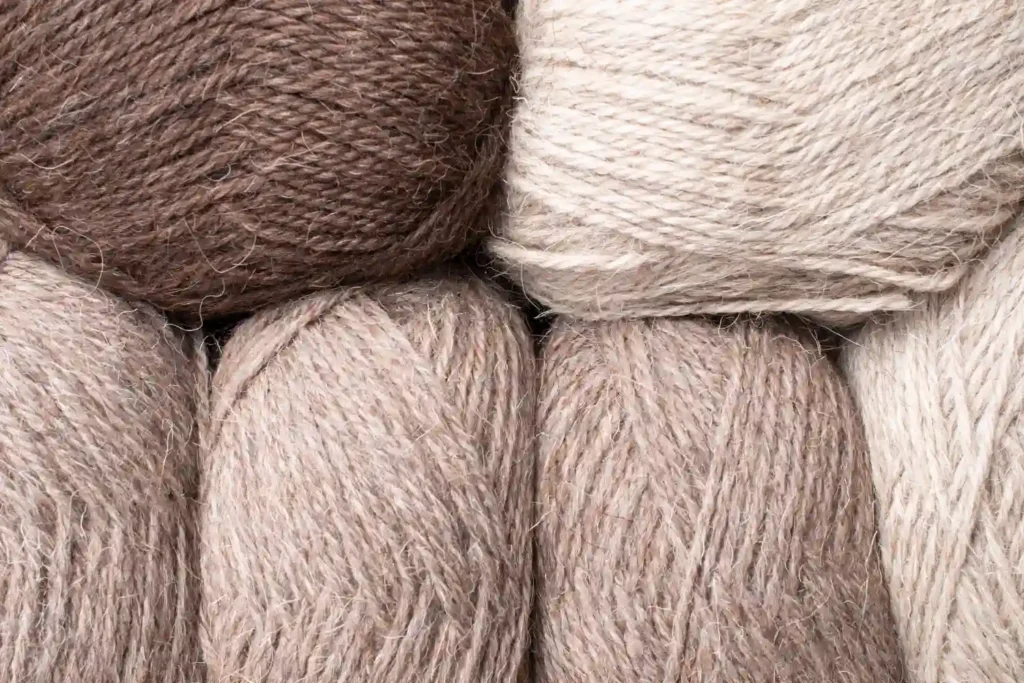
Merino wool comes from Merino sheep, a breed prized for producing some of the softest, finest fleece in the world.
If you have ever avoided wool because it felt scratchy or stiff, merino changes that entirely. Its ultra-fine fibers sit gently against the skin, making it a standout among all types of yarn fibers.
Why Merino Wool Stands Out Among Natural Fiber Yarn
Understanding what sets merino apart helps you choose the right material for every project you take on.
Exceptional Softness
Merino fibers are measured in microns, and high-quality merino typically falls below 21.5 microns. That fineness translates directly into a softness most other wool cannot match, even for sensitive skin.
Temperature Regulation
The fiber naturally wicks moisture away from the body and helps regulate warmth. You stay comfortable whether the air is cold or unexpectedly mild.
Durability and Elasticity
Merino yarn holds its shape well after washing and repeated wear. The natural crimp in the fiber adds spring and resilience, so your finished pieces keep their structure over time.
Biodegradable and Renewable
As a natural fiber yarn, merino is a sustainable choice. It breaks down naturally at the end of its life and comes from sheep that are shorn on a regular seasonal cycle.
Wool vs Acrylic Yarn: How Merino Compares
Performance in Wear
Merino breathes and regulates temperature in ways synthetic fibers simply cannot replicate. Acrylic holds heat and can feel clammy during extended wear.
Care and Maintenance
Superwash merino treatments allow for machine washing, which closes much of the gap with acrylic convenience. Standard merino requires gentle hand washing to maintain its structure.
Environmental Impact
Merino is a renewable, biodegradable natural fiber. Acrylic is petroleum-based and sheds microplastics into waterways with every wash. For eco-conscious crafters, the difference is significant.
Cost Consideration
Quality merino carries a higher price than acrylic. Given its longevity and performance, most knitters find the investment worthwhile for projects they plan to keep and wear.
FAQ
Frequently Asked Questions About Merino Wool
Yes. Merino fibers are fine enough that most people with wool sensitivities can wear it comfortably. If you react to coarser wools, merino is worth trying before ruling out wool entirely.
Superwash merino has been treated to resist felting, making it safe for a gentle machine wash cycle. Always check your yarn label before washing to confirm the care requirements.
Merino is available across the full range of yarn weights, from lace to bulky. Choosing the right weight depends on your pattern, needle size, and the drape or structure you want in your finished piece.
Where Merino Fits in a Broader Yarn Weight Guide
Merino performs beautifully across all yarn weights. Fingering weight merino suits fine shawls and socks. DK and worsted weights work well for sweaters and accessories. Bulky merino creates cozy, quick-knit projects with excellent stitch definition.
Knowing your yarn weight guide helps you match the right merino to every pattern you choose.
Exploring Hand Dyed Yarn in Merino
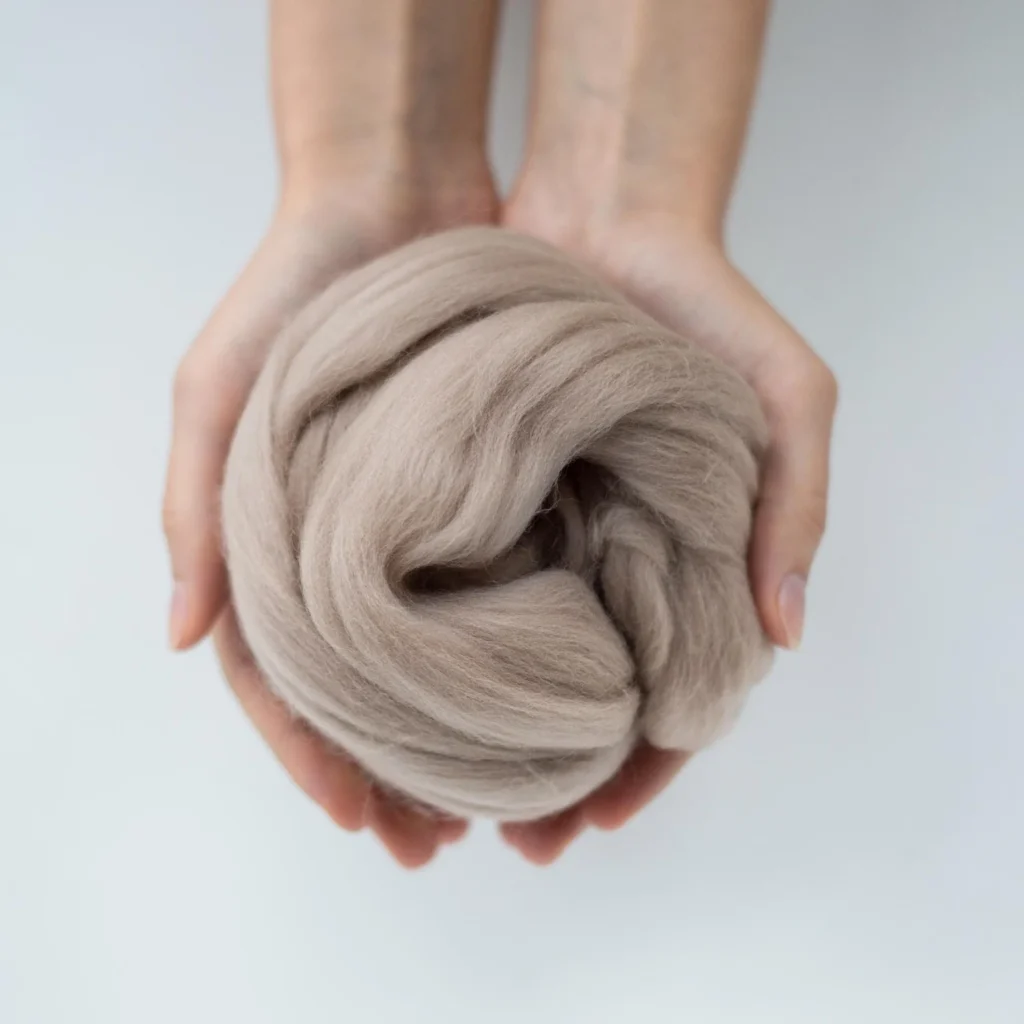
Merino wool accepts dye with exceptional depth and clarity. This makes it the fiber of choice for hand dyed yarn artists around the world.
Hand dyed merino offers colorways that mass-produced yarn cannot replicate. Each skein carries subtle variation that brings unique character to your finished work.
When you choose hand dyed merino, you get both the performance of a premium natural fiber and the artistry of a one-of-a-kind colorway.
Stay Informed
Our Latest News
Start Your Next Project With Confidence
Now that you understand what merino wool is and how it compares across fiber types and weights, choosing the right yarn becomes straightforward.
Explore the range at Triskelion Yarn and find the merino that suits your next project perfectly.
Essay writing services https://domyessay.com/biology-essay-writing-service provide students with professionally developed academic content that follows assignment instructions while maintaining originality and academic accuracy.