Monday to Saturday - 8:00 -17:30

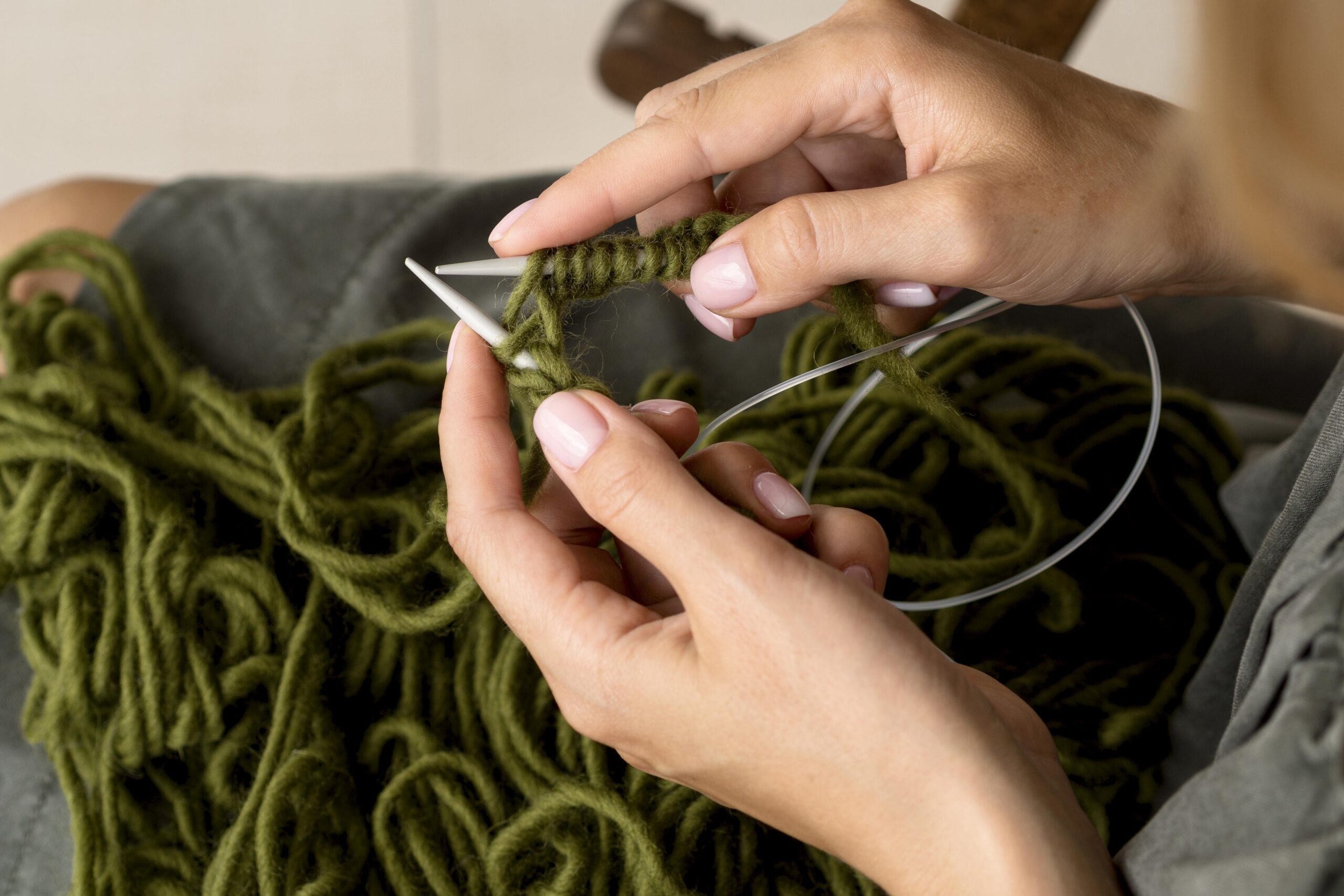
Dyeing your own yarn turns a practical craft supply into something entirely personal. The process is more approachable than it looks, and the results are genuinely hard to replicate any other way.
Whether you are drawn to rich, saturated solids or the kind of shifting, variegated colorways you see in hand dyed yarn shops, this guide walks you through every step from fiber prep to final rinse.
Why Dye Your Own Yarn?
Hand dyed yarn has a character that commercially dyed yarn rarely matches. Each skein carries subtle variation, depth, and personality that makes your finished project one of a kind.
Beyond aesthetics, dyeing gives you control. You choose the colors, the saturation, the method. If a colorway exists only in your imagination, home dyeing is how you bring it to life.
It is also a way to deepen your relationship with the materials you use. Understanding how dye behaves on different types of yarn fibers changes the way you see yarn altogether.
Understanding Fiber Type Before You Begin
Not all yarn takes dye the same way. Choosing the right fiber is the first decision in any successful dyeing session.
Animal Fibers and Acid Dyes
Wool, merino, alpaca, and silk respond well to acid dyes. These dyes require heat and an acid component, usually white vinegar or citric acid, to bond permanently with the fiber.
What is merino wool doing here that other fibers cannot? Its fine, porous structure absorbs dye deeply and evenly, producing colors with exceptional clarity and depth. Merino is the preferred base for most hand dyed yarn production because of how reliably it performs.
Plant Fibers and Fiber Reactive Dyes
Cotton, linen, and bamboo require fiber reactive dyes rather than acid dyes. The chemistry is different, and the process involves an alkaline environment rather than an acidic one.
Plant fibers can produce beautiful results, but they require a different setup and mordant system than animal fibers.
Synthetic Fibers
Acrylic and most synthetic yarns do not accept traditional dyes at all. This is one area where wool vs acrylic yarn diverges in a way that matters practically: natural fibers dye, synthetics generally do not.
Yarn Dyeing Techniques: Three Methods to Know
There is no single correct way to dye yarn. The method you choose shapes the result, from flat solid colors to complex hand painted colorways.
Immersion Dyeing
Immersion dyeing submerges the entire skein in a dye bath. The result is an even, all-over color. It is the most straightforward method and the best starting point for beginners.
You heat the dye bath slowly, introduce the wetted skein, and allow the dye to exhaust fully before rinsing. The process is forgiving and produces consistent results once you understand your dye-to-fiber ratio.
Hand Painting
Hand painting applies dye directly to sections of the skein using brushes, squeeze bottles, or sponges. This is how most hand dyed yarn colorways with multiple colors are created.
You have full control over where each color lands and how much it bleeds into adjacent sections. More overlap produces softer transitions. Tighter application creates bolder contrast.
Kettle Dyeing
Kettle dyeing pours dye unevenly over a loosely packed skein in a pot. The result falls somewhere between immersion and hand painting. Colors land in irregular patches, creating the tonal variation that makes hand dyed yarn so visually interesting.
Natural Dyes for Yarn: Using What Already Exists
Before synthetic dyes existed, fiber workers dyed with plants, insects, and minerals. Natural dyes for yarn are having a genuine resurgence among crafters who want a process connected to the material world.
Common natural dye sources include onion skins for golden yellows, indigo for blues, madder root for reds and oranges, and black walnut hulls for rich browns and near-blacks.
Natural dyeing requires mordanting, a process that helps dye bond to fiber. Alum is the most widely used mordant and is safe to handle at home. The results with natural dyes tend to be softer and more muted than synthetic acid dyes, which suits certain aesthetics perfectly.
One important note: natural dye results vary based on your water source, mordant ratio, and the specific plant material you use. That variability is part of the appeal for many dyers.
The Hand Dyed Yarn Process: Step by Step
Here is how a basic acid dye session works for wool or merino, covering the hand dyed yarn process from start to finish.
Step one: skein your yarn and tie it loosely in at least four places to prevent tangling. Wet the skein thoroughly in warm water with a small amount of wool wash. Allow it to soak for at least twenty minutes. Dry fiber resists dye unevenly.
Step two: prepare your dye. Mix acid dye powder into hot water and add white vinegar as your acid source. A ratio of one part vinegar to four parts water is a solid starting point.
Step three: apply your dye using whichever technique suits your intended colorway. For immersion, submerge the skein and heat slowly to around 85 to 90 degrees Celsius. For hand painting, lay the skein on a surface covered in plastic wrap, apply dye, then wrap and steam.
Step four: set the dye with heat. Dye bonds to protein fiber at sustained temperature. Maintain your heat level for thirty to forty-five minutes without stirring excessively, which can cause felting.
Step five: cool slowly. Do not shock wool with sudden temperature changes. Allow the bath to cool before removing the skein.
Step six: rinse gently in water that matches the temperature of your cooling dye bath. Rinse until the water runs clear, then press out excess water and hang to dry.
Caring for Your Dyed Yarn
Once your skein is dry, it is ready to use. Hand dyed yarn made with properly exhausted acid dyes is colorfast and can be washed like any other wool.
Superwash merino dyed at home will tolerate gentle machine washing. Untreated wool should be hand washed in cool water to avoid felting.
Store skeins away from direct sunlight to preserve color intensity over time.
Start With the Right Fiber
The single most reliable way to get great results from your first dyeing session is to start with a quality natural fiber base. Merino is forgiving, takes dye beautifully, and produces finished colorways that reward the effort you put in.
Explore the yarn bases at Triskelion Yarn and find the right foundation for your first hand dyed skein.